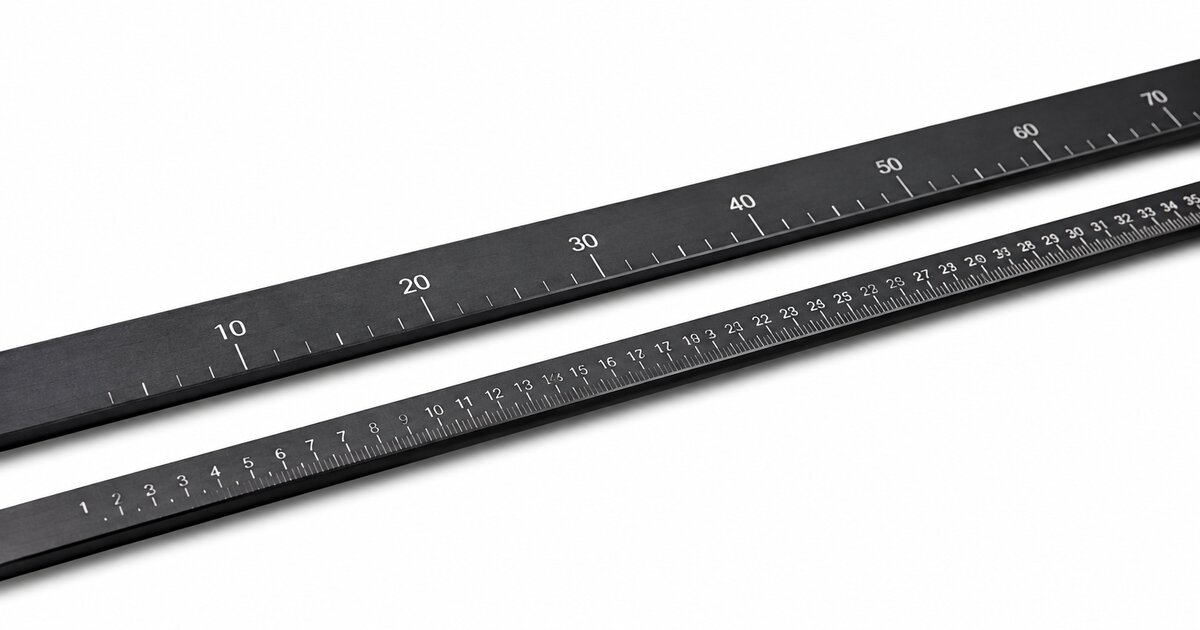
The humble dip stick is still the most important measuring instrument on most independent sites, and the most abused. We analyse thousands of tanks a month, and when a site’s results come back noisy, the cause is almost never underground. It’s the daily routine. Here’s what a good one looks like.
Same time, every day. A dip taken at 6am compares cleanly with yesterday’s 6am dip. A dip taken whenever someone remembers doesn’t compare with anything. Fuel moves all day; your measurement schedule shouldn’t. Pick a time, ideally before trading starts, and defend it.
Every tank, every day, actually measured. Two habits wreck more reconciliations than any leak. The first is skipping quiet tanks (“the premium barely sold, why dip it?”). Because a slow leak doesn’t wait for a busy day, that’s why. The second is worse: back-calculating the dip from sales instead of measuring. We can spot it instantly, real dips never reconcile perfectly, and a tank that balances to the litre every single day is telling us the stick never went in. Data like that can’t prove your tank is tight, which is the whole point of collecting it.
Read it properly. Stick vertical, full insertion to the bottom, read the cut line at eye level, and use the same technique every time. Two staff reading two millimetres apart on a 40,000 litre tank is a few hundred litres of phantom variance. Write the procedure down and train every new starter on it; dipping knowledge walking out the door with a departing employee is one of the most common causes of a good site going noisy.
Record it straight away, on the right day. The dip you’ll enter later from memory is a guess. And enter deliveries on the day the fuel actually lands, at the docket quantity, against the right tank. A delivery entered a day early manufactures a huge loss followed by a huge gain, and someone has to spend time untangling what was never a problem.
Dip around deliveries. A dip before and after each drop is the only independent check that what’s on the docket went into your tank. Operators who do this consistently catch short deliveries; operators who don’t, pay for them.
Five minutes of discipline a day buys you reconciliation results you can act on, compliance records that stand up, and the ability to catch real problems while they’re small. The stick is cheap. Using it well is the skill.