Less Time on the Forecourt, More Time with Family

Nobody buys a service station because they enjoy paperwork. You bought it to run a business of your own. Then the compliance work arrived and quietly took over your evenings. Most independent operators know the routine. A spreadsheet after close, trying to work out why the tanks are 600 litres short of what the pumps […]
Delivery Dockets and Bill of Lading: Are You Getting the Litres You Pay For?

Fuel is most vulnerable in the fifteen minutes it spends leaving a tanker. Once it is in your tank, your dips and sales account for it. During a drop, you are trusting paperwork. Here is how to make that trust cheap. Know your two documents. The bill of lading records what left the terminal. The […]
Net Loss vs Percentage of Throughput: Why Your Biggest Site May Not Be Your Biggest Problem

Ask an operator which of their sites has a fuel loss problem and they will usually name the busiest one. It moves the most stock, so it has the most litres to lose. But the numbers often point somewhere else, and the reason is the difference between net litres and percentage of throughput. Two sites, […]
Fuel Theft in 2026: The New Tricks and How Reconciliation Catches Them
Fuel theft used to mean a drive-off and a grainy camera still. In 2026 the expensive version is quieter, and most operators only find it in their numbers. The new tricks. Pulser and calibration tampering makes a dispenser deliver more fuel than it records, so every sale leaks a little. Driver skimming happens at the […]
AS 4897-2008 Explained For Busy Operators

AS 4897-2008 is the Australian Standard behind the term SIRA, statistical inventory reconciliation analysis, and if you operate underground fuel tanks, it’s the standard your loss monitoring is measured against. Here’s what it actually asks of you, without the jargon. The idea. Underground tanks can’t be inspected by looking at them. The standard’s answer: treat […]
Dipping Done Right

The humble dip stick is still the most important measuring instrument on most independent sites, and the most abused. We analyse thousands of tanks a month, and when a site’s results come back noisy, the cause is almost never underground. It’s the daily routine. Here’s what a good one looks like. Same time, every day. […]
Is It a Leak Or a Dodgy Gauge?
A Queensland service station operator was ready to call the police. Every second fuel delivery was landing 200 to 400 litres short, the pattern was too regular to ignore, and the obvious suspect was the tanker driver. The data said otherwise. Theft is rarely that tidy: same shortfall, same size deliveries, like clockwork. When the […]
What a SIRA Report Actually Tells You

Every month a SIRA report lands in your inbox, and if you’re like most operators you read one line of it: Pass. Good. Delete. Here’s what the rest of it is telling you, in plain English. The daily variance. For each tank, each day, the report reconciles what should be in the tank (yesterday’s dip, […]
Big-brand tools, independent budgets

Walk into any major’s head office and you’ll find a wetstock team with dashboards, analysts and alerts watching every tank in the network. Walk into an independent servo and you’ll usually find the owner doing the same job at 9pm with a dip stick, a spreadsheet and a headache. The fuel in the ground is […]
Fuel loss is not always obvious: the five ways litres disappear
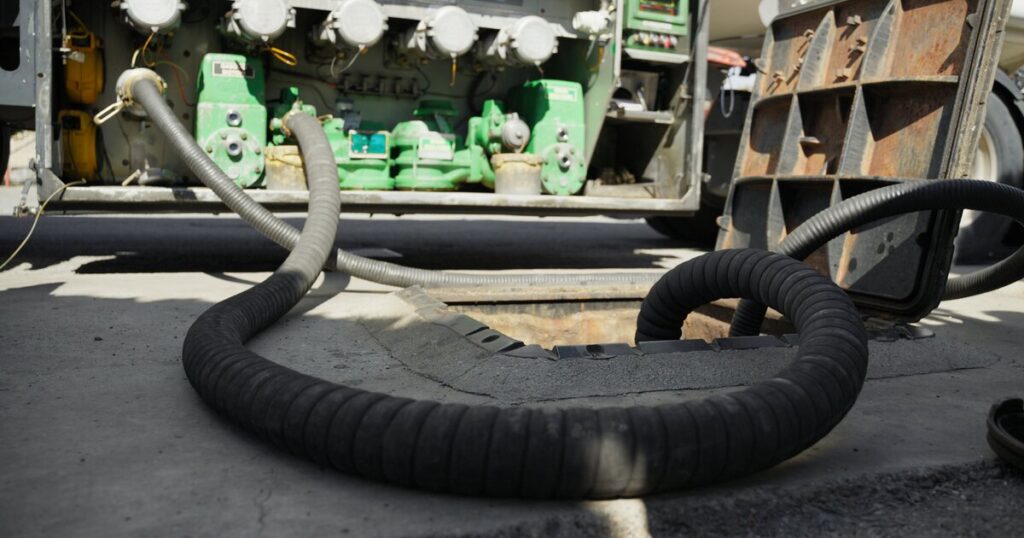
Ask most operators how fuel goes missing and they’ll say leaks or theft. Both are real. But after reconciling thousands of tanks every month, we can tell you they’re only two of five causes, and each one leaves a different fingerprint in your data. 1. Leaks. The one everyone fears, and the one the regulations […]