
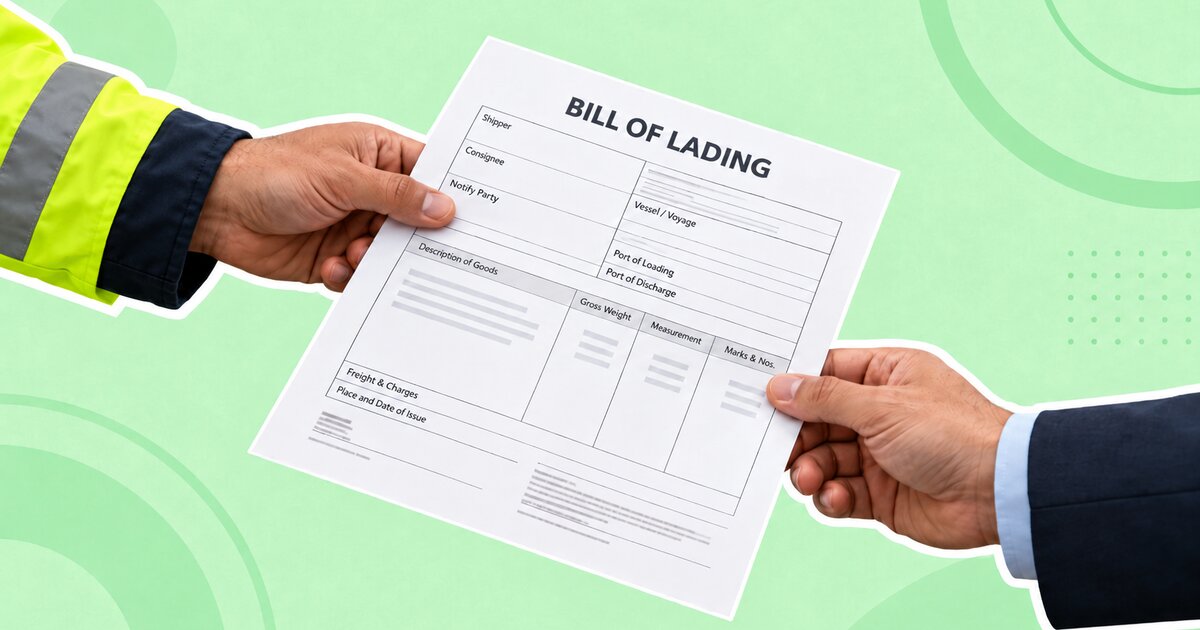
Fuel is most vulnerable in the fifteen minutes it spends leaving a tanker. Once it is in your tank, your dips and sales account for it. During a drop, you are trusting paperwork. Here is how to make that trust cheap.
Know your two documents. The bill of lading records what left the terminal. The delivery docket records what the driver says went into your tanks. They should agree, and both should be in litres corrected to fifteen degrees, written as L15. Fuel expands and contracts with temperature, so 30,000 ambient litres loaded warm can be materially less fuel than 30,000 L15 litres. The one number on the docket worth checking every time is whether you are reading corrected or ambient litres, because paying for one and receiving the other is a quiet, recurring loss.
Dip around the drop. A before-and-after dip on the receiving tank is the only site-side measurement of what actually arrived. It does not need to be laboratory-grade: fuel settles and foams, and a fresh drop can read high or low for a while. But over months of deliveries, the pattern is the point. Random small differences are physics. Differences that always land in the same direction are a supplier or driver conversation.
Record it right. Enter the delivery on the day it lands, at docket quantity. Entering it a day late, or rounding it, creates artificial variances that can mask the genuine ones. If a delivery is split across tanks, record the split the driver actually made, not an even guess. A surprising share of the ‘losses’ we investigate turn out to be deliveries booked to the wrong tank or the wrong day.
What reconciliation adds. One short drop is almost impossible to prove. A month of reconciled data makes short drops visible as gains and losses clustered on delivery days, distinct from the steady drift of a leak or the volume-linked signature of a meter fault. Operators have recovered real money from suppliers on the strength of that pattern, and the evidence cost them nothing but consistent record keeping.
You already pay for every litre on the docket. Five minutes of discipline per delivery, and a monthly reconciliation reading the results, is how you make sure you received them.